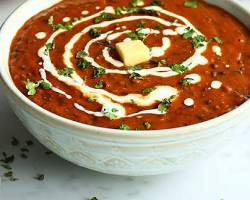
Dal Makhani is a classic and popular Indian dish known for its rich, creamy, and buttery texture. Originating from Punjabi cuisine, its name literally translates to “buttery lentil.” It’s a dish that thrives on slow cooking, allowing the flavors to meld together for a deeply satisfying result.
Here is a guide to making a delicious Dal Makhani, combining traditional methods with modern cooking convenience.
Ingredients
- For the lentils:
- 1 cup whole black lentils (urad dal)
- ¼ cup red kidney beans (rajma)
- Water for soaking and cooking
- Salt to taste
- 1-2 bay leaves (optional, for flavor)
- 1 black cardamom (optional, for flavor)
- A small piece of cinnamon stick (optional)
- For the masala (curry base):
- 2-3 tablespoons ghee or butter
- 1 medium onion, finely chopped or grated
- 1 tablespoon ginger-garlic paste (or finely chopped ginger and garlic)
- 2-3 medium tomatoes, pureed (or 1 cup of tomato puree)
- 1-2 green chilies, slit (optional)
- 1 teaspoon Kashmiri red chili powder (for color without excessive heat)
- ½ teaspoon garam masala powder
- A pinch of asafoetida (hing) (optional)
- Salt to taste
- For finishing and garnish:
- 2-3 tablespoons butter
- ¼ cup fresh cream
- 1 teaspoon kasuri methi (dried fenugreek leaves), crushed
- Fresh coriander leaves, chopped
- Ginger juliennes for garnish
Instructions
1. Soaking the Lentils
- Wash the urad dal and rajma thoroughly.
- Soak them in a large bowl with plenty of water for a minimum of 8 hours, or preferably overnight. This is a crucial step for proper cooking and a creamy texture.
2. Cooking the Lentils
- Drain the soaked lentils and beans, then rinse them again.
- In a pressure cooker, combine the lentils and beans with 3-4 cups of fresh water, a little salt, and the optional whole spices (bay leaf, black cardamom, cinnamon).
- Pressure cook on medium-high heat for about 5-6 whistles, then reduce the heat to low and cook for another 10-15 minutes. The lentils and rajma should be completely soft and easily mashable.
- If cooking in a regular pot, this will take much longer (2-3 hours or more) on low heat.
3. Preparing the Masala
- While the lentils are cooking, prepare the masala.
- In a heavy-bottomed pot or pan, heat the ghee or butter over medium heat.
- Add cumin seeds and let them splutter. Then add the asafoetida (if using).
- Add the finely chopped onions and sauté until they turn light golden brown.
- Stir in the ginger-garlic paste and green chilies. Sauté for about a minute until the raw aroma disappears.
- Pour in the tomato puree. Cook the mixture, stirring occasionally, until the oil begins to separate from the masala.
- Add the Kashmiri red chili powder and garam masala. Cook for another minute, being careful not to burn the spices.
4. Combining and Slow Simmering
- Add the cooked dal and rajma (along with the cooking liquid) to the masala pot.
- Gently mash some of the dal and beans with the back of a spoon or ladle against the side of the pot. This is what gives Dal Makhani its signature creamy consistency.
- Stir everything to combine well. Add more water if needed to achieve your desired thickness.
- Bring the dal to a boil, then reduce the heat to the lowest setting and let it simmer, partially covered, for at least 20-25 minutes. The longer it simmers, the creamier and more flavorful it will become. Stir occasionally to prevent it from sticking to the bottom.
5. Finishing the Dal
- Just before serving, stir in the butter and fresh cream. Mix until the butter has melted and the cream is fully incorporated.
- Adjust the salt if necessary.
- Crush the kasuri methi between your palms and add it to the dal. Stir it in.
6. Garnish and Serve
- Garnish with a dollop of fresh cream, a knob of butter, chopped coriander leaves, and ginger juliennes.
- Serve hot with naan, roti, paratha, or jeera rice.
Tips for the Perfect Dal Makhani
- Soaking is key: Don’t skip the overnight soak. It ensures the lentils cook properly and become soft and creamy.
- Slow cooking: The authentic taste of Dal Makhani comes from simmering it for a long time. This process allows the starches to release and the flavors to deepen.
- Don’t skimp on the butter and cream: The name “Makhani” means buttery, and these ingredients are essential for the classic rich and velvety texture.
- Garnish: The final touch of fresh butter, cream, and ginger makes a significant difference in both presentation and taste.